When Is Excavation the Right Approach For Your Soil Remediation Project?
When contamination is confirmed on a site, the priority is choosing the fastest and most reliable way to manage it. For many redevelopment projects in Western Australia, excavation and disposal provides the most practical and cost-effective route to clear contaminated soil and meet compliance requirements under DWER and WA Health standards.
This guide explains what excavation involves and when it’s the best approach to soil remediation for commercial and industrial sites across WA.
What Excavation Involves
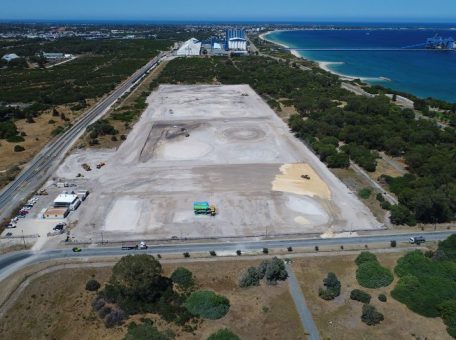
Excavation and disposal is one of the most direct ways to manage contaminated soil. It involves removing affected material from the site and transporting it to licensed treatment or disposal facilities that comply with DWER and WA Health requirements. Once the contaminated soil is removed, the area can be validated by environmental consultants and prepared for redevelopment.
This method is widely used across Western Australia – particularly in urban and industrial redevelopment zones – because it provides immediate results and a clear validation pathway under the Contaminated Sites Act 2003.
In practice, excavation and disposal typically follows four stages:
- Assessment and planning: environmental consultants identify contamination types and define the scope of removal in line with DWER guidelines.
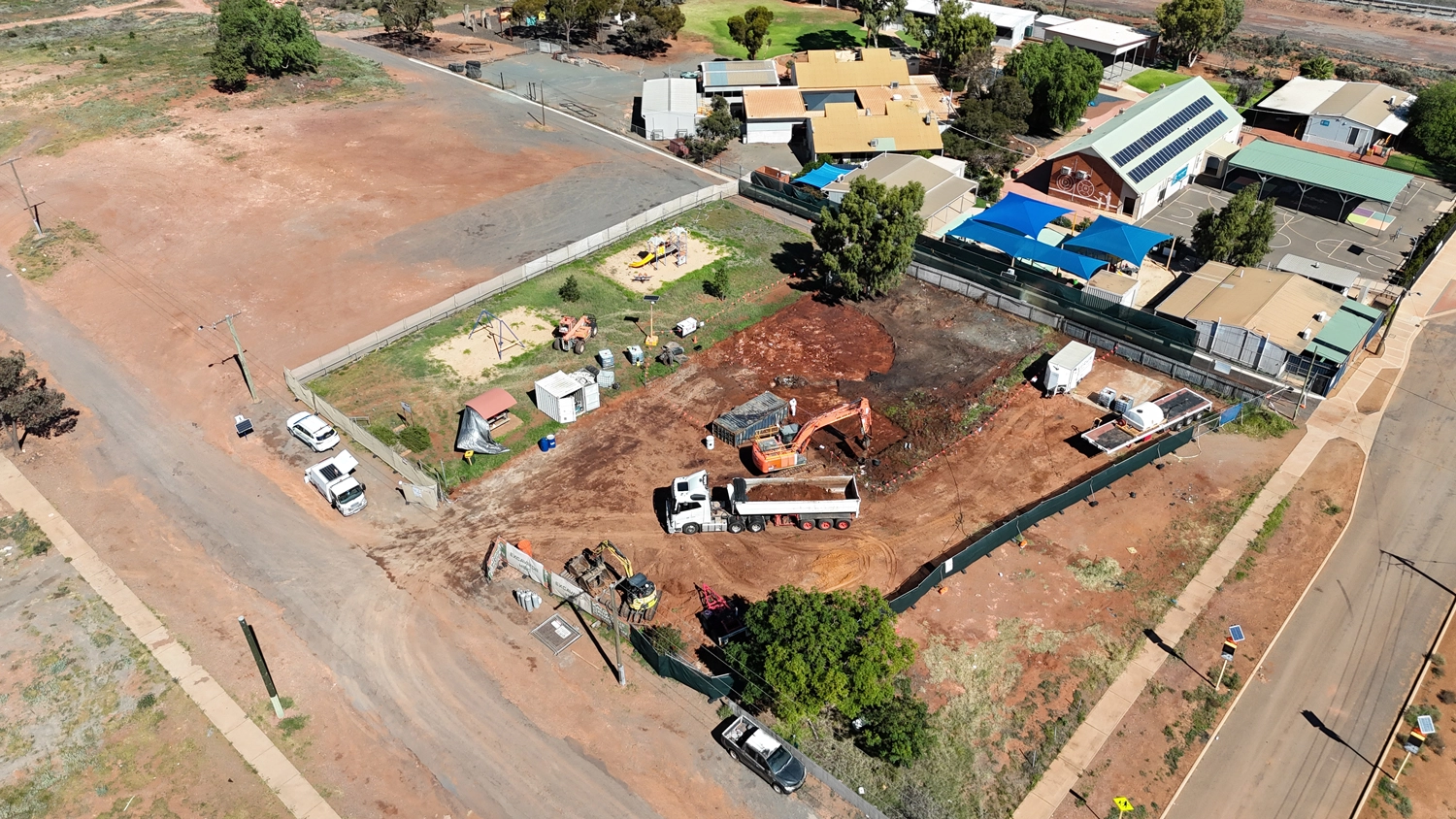
- Excavation and handling: contaminated soil is safely excavated, stockpiled where necessary, and loaded for transport.
- Transport and disposal: soil is transferred to approved facilities, such as Class IV or V waste sites, for treatment or containment.
- Validation and clearance: consultants verify that remediation meets compliance standards and prepare documentation for final site clearance.
At Focus Demolition, we manage the excavation, handling, and disposal stages of this process, working in collaboration with environmental consultants and site managers to ensure safety, precision, and full regulatory compliance.
When Excavation Makes Sense
Excavation and disposal is best suited to projects where time, certainty, and compliance are the top priorities. It’s the right approach when contamination is significant, site conditions are constrained, or other remediation methods would take too long to deliver results.
Common situations where excavation makes sense include:
- Severe or complex contamination. Excavation provides a complete solution for heavy metals, asbestos-affected soils, hydrocarbons, and mixed contaminants that are difficult to treat in place.
- Tight project schedules. Physical removal allows redevelopment to continue quickly, without the extended timeframes associated with on-site treatment or monitoring.
- Urban or industrial locations. Sites with limited space for in-situ systems benefit from the straightforward logistics of excavation and off-site disposal.
- Integrated works programs. When bulk earthworks are already planned, soil removal can be incorporated efficiently into the construction sequence.
- Regulatory certainty. Excavation delivers clear documentation and a direct path to validation and site reclassification under the Contaminated Sites Act 2003.
Across Western Australia, this method is frequently used on commercial and industrial redevelopment sites where developers need reliable outcomes that align with DWER and WA Health compliance frameworks.
How Excavation Fits into the Broader Site Remediation Process
Excavation and disposal is one part of the wider soil remediation toolkit. Other approaches, such as biological or chemical treatment, are often used for specific contaminants or where time and space allow for longer treatment cycles.
In many projects, excavation complements these methods rather than replacing them. For example:
- Contaminated soil may be excavated and transferred to off-site treatment facilities for specialist processing.
- In-situ treatment may be applied to less-affected areas while severe contamination is removed.
- Containment or capping systems might be used as a follow-up measure once removal is complete.
This integrated approach ensures every part of the site is managed appropriately and to regulatory expectations.
Focus Demolition often works as part of this collaborative process, handling the excavation, transport, and disposal components in coordination with environmental consultants and auditors to keep remediation efficient, safe, and compliant.
Partner With An Experienced Soil Remediation Contractor
Excavation remains one of the most effective ways to remediate contaminated sites quickly and with certainty. However, like any remediation method, success depends on planning, precision, and close coordination between consultants and contractors.
With more than 17 years of experience in soil remediation across Western Australia, Focus Demolition provides licensed excavation, handling, and disposal services that meet full DWER and WA Health compliance. Our team is certified to ISO 14001:2015 and experienced in managing asbestos-impacted soils, hydrocarbons, heavy metals, and complex mixed-contamination sites.
Our track record includes major remediation and decommissioning projects for leading companies in the mining, oil & gas, and industrial sectors, where we’ve helped transform contaminated land into safe, compliant sites ready for redevelopment and future greenfield projects.
From early project planning to final validation, we work alongside environmental consultants and site managers to deliver efficient, traceable, and environmentally responsible outcomes.
If excavation is being considered for your site, contact Focus Demolition to discuss how our team can deliver a safe, compliant, and cost-effective remediation solution.